400,000+ business leaders (and teams at IBM, AWS & Zapier) start their day with The AI Report. 5 minutes. Plain English. No hype.
Workday aims AI agents at HR, where just 12% of leaders use AI
Workday opened its HR and finance data to outside AI agents at Rising 2026. Our benchmark of 7,544 leaders shows HR is where AI is used least.


Workday wants AI agents doing real HR and finance work. At Workday Rising on October 13, 2026, it made its Trusted Agent Platform headless, which means companies can build and run their own agents on Workday's HR and finance data with the AI tools they already use. Our benchmark shows how big the gap is: HR is the last place business leaders use AI. Just 12% use it there, the lowest of the 13 work areas we track.
Key takeaways
- HR comes last. 12% of 7,544 business leaders use AI for HR, the lowest of 13 areas. 21% use it for finance and 69% for writing.
- Big companies are no exception. At companies with more than 1,000 employees, 12% use AI for HR and 18% for finance, even though 22% of their leaders say AI already runs in daily operations or is scaling.
- HR is where AI arrives last. Leaders who use AI for HR already use it in 7 areas of their work on average, against 4 for everyone else.
- Most leaders juggle assistants. 73% use two or more AI assistants. At large companies, 22% use Microsoft Copilot, nearly double the 12% at smaller ones.
- Workday leads with rules. Every agent, whether Workday, a customer or a partner built it, works under the same Workday permissions, approvals and audit trails, the company says.
What did Workday announce at Rising 2026?
Workday's main news was that its Trusted Agent Platform is now headless. Customers can build, run and govern AI agents across HR and finance with their own tools and models, and every agent follows the same Workday permissions, approvals and audit trails, according to Workday's announcement. Four parts are available now:
- Agent Harness runs every agent with context about the user, their role, reporting line, permissions and the policies that apply. It also sends each task to a model based on cost and performance.
- Agent-Ready Tools are Workday's Model Context Protocol (MCP) tools. They give any MCP-compatible agent an approved way to read Workday data and take action.
- Workday Data Cloud includes Live Data Query, which lets teams and agents run SQL on live Workday data without custom reports or stale copies.
- Developer Agent and Custom Agents turn plain-language requests into agents from tools such as Claude Code, Codex and Cursor, and let teams pick the model for each agent, including Claude, Gemini, GPT, Llama and Mistral.
Two more pieces are coming: Agent Context Service, with early access expected in late 2026, and Grounded Reasoning, which checks each request against company policies and data before an agent acts, with early access expected in early 2027.
The same day, Workday and Anthropic announced a partnership that brings Workday's Sana agents into Claude. Employees will be able to analyze HR and finance data and take action in Claude, with Workday's permissions applied and every change confirmed by the user. The Sana in Claude plugin is in early access, with general availability expected in late 2026. Workday also agreed to acquire C1.ai, an identity platform that controls what people and AI agents can access.
What does headless mean for HR and finance teams?
Headless means the work no longer has to happen on Workday's own screens. An agent built in Claude, in a company's own code or in another tool can read Workday data and act on it, and Workday checks each step against the rules a person would face. Workday's own example: if a manager asks an agent to fill a role they have no authority over, the agent stops, explains why and points to the next step.
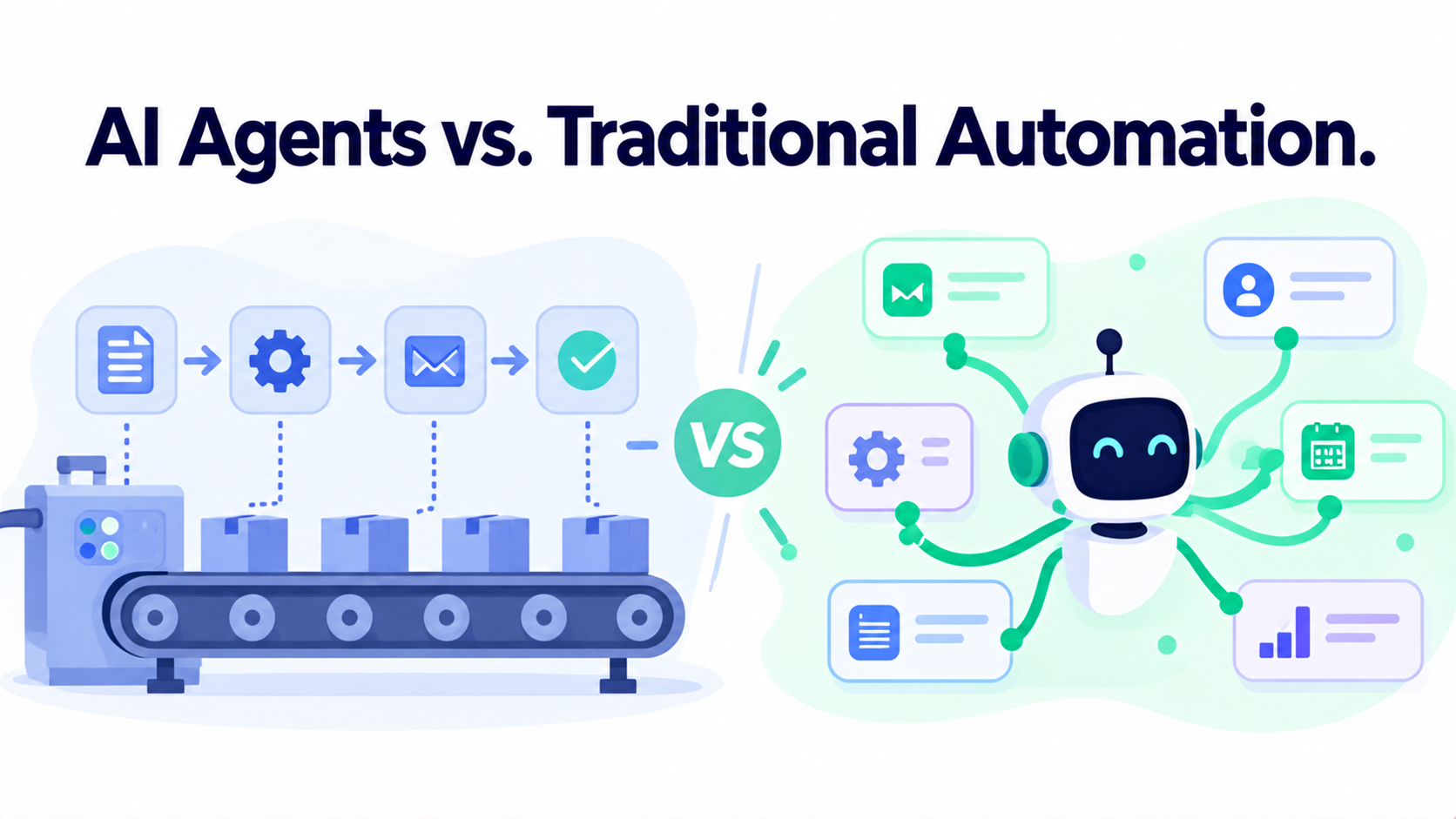
That matters because HR and finance run on rules. Workday says its research found that large language models can misapply HR policies even when the right policy is in front of them. Its chief technology officer, Gabe Monroy, put the approach in four words: "Headless can't mean lawless." If agents versus traditional automation is new to you, start with our plain-English explainer.
How many business leaders use AI for HR?
Fewer than for any other part of their work. We asked 7,544 business leaders where they use AI. HR came last of 13 areas, at 12%. Finance sat near the bottom at 21%. Writing led at 69%, followed by productivity at 59% and research at 54%.

How does your company compare? Take our 2-minute AI benchmark, the same nine questions 15,000+ business leaders have answered, and get The AI Report free every weekday.
Do large companies use more AI in HR?
No. At companies with more than 1,000 employees, 12% of leaders use AI for HR and 18% for finance, against 68% for writing. That is not because big companies are behind. 22% of their leaders say AI already runs in daily operations or is scaling, against 8% of people who work alone. AI is spreading at large companies, just not into HR and finance yet. Workday says more than 65% of the Fortune 500 use its software, so this is the gap its agents are aimed at.
Why is HR the last place AI arrives?
Our data suggests leaders reach HR only after AI is part of everything else. Leaders who use AI for HR already use it in 7 areas of their work on average, against 4 for everyone else.
The stakes explain the caution. "HR and finance decisions shape every employee's pay, role, and career," said Ankur Sinha, who leads engineering for enterprise and verticals at Anthropic. At large companies, compliance is the main blocker for 5.5% of leaders, more than three times the rate among people who work alone (1.7%). The bigger obstacles are more basic: a skills gap (32%), choosing the right tools (25%) and finding the time (19%).
Which AI assistants do enterprise leaders use?
Several. 73% of business leaders use two or more AI assistants, both at companies with more than 1,000 employees and at smaller ones. At the large companies, 76% use ChatGPT, 68% Claude and 45% Gemini, and 22% use Microsoft Copilot, nearly double the 12% at smaller companies.

An HR agent that works only inside one vendor's screens would miss most of that. Workday's bet is that its rules and data, not its screens, are what customers will keep paying for.
What should HR and finance leaders do now?
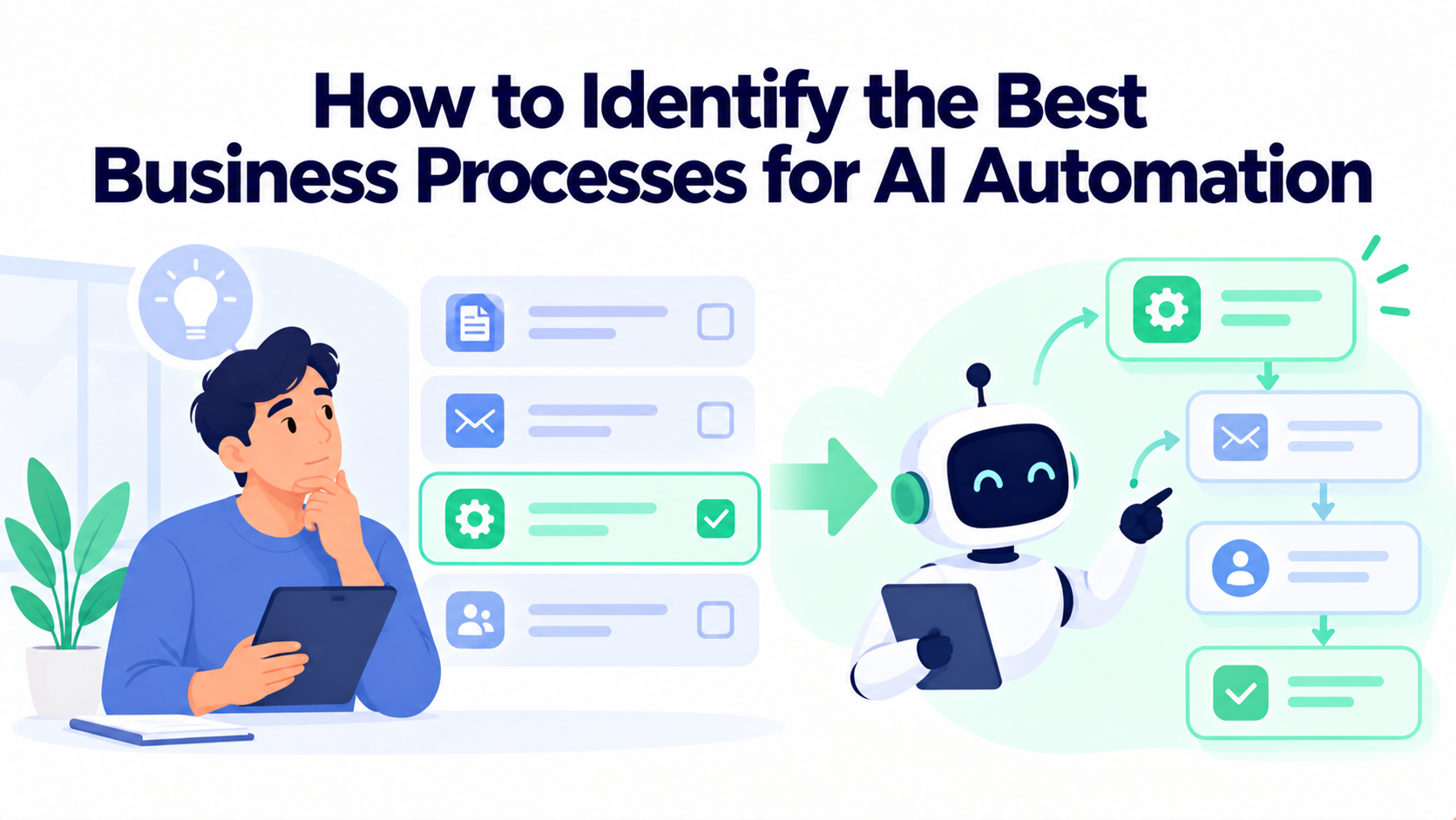
- Start with work that runs on clear rules. Checking open roles against headcount and budget, and invoice exceptions against purchase orders, are the examples Workday and Anthropic give. Our guide to choosing processes for AI automation shows how to pick one.
- Close the skills gap first. It is the top blocker at large companies, named by 32% of leaders. Training people on one approved assistant often does more than another pilot.
- Decide which assistants may touch HR and finance data. Most leaders already use two or more, so set the rule before you connect any of them.
- Ask every vendor three questions. Do agents inherit each person's permissions? Is every action logged? Does a person approve each change? If not, keep them away from pay and people data.
- Tie agent access to people events. Workday's C1.ai deal is about granting and removing access as people join, move and leave. Apply the same rule to agents.
For a step-by-step plan, read our executive guide to automating HR.
See where your company stands
Compare your company with 15,000+ business leaders in the AI Adoption Index, then take the 2-minute benchmark yourself. It is free, and so is The AI Report, read by 400,000+ business leaders every weekday.
About this data
The figures come from The AI Report's AI benchmark, answered by 15,360 business leaders between July 20 and November 10, 2026, counting one answer per person. The question on where people use AI ran from July 20 to early September 2026 and has 7,544 answers; readers could pick several areas. Company size, AI stage, blockers and tools come from the full sample. Readers chose to subscribe to an AI newsletter, so they are likely further along than average, and many joined through our Claude guides, which lifts Claude's share. We never show groups under 300 people.
Cite this: The AI Report, "Workday aims AI agents at HR, where just 12% of leaders use AI," November 10, 2026, theaireport.ai.