
400,000+ business leaders (and teams at IBM, AWS & Zapier) start their day with The AI Report. 5 minutes. Plain English. No hype.

“Slop” Was the Word of the Year. Employers Can Do Better in 2026.
Expert analysis from
Fisher Phillips

.svg)
Low-quality AI content is everywhere. Smart leaders will use AI to stand out, not blend in.
Context
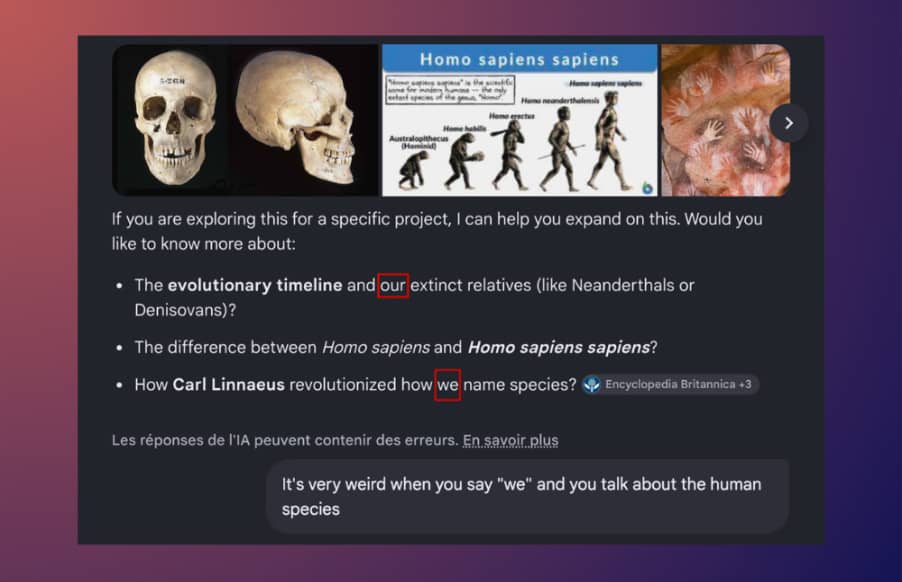
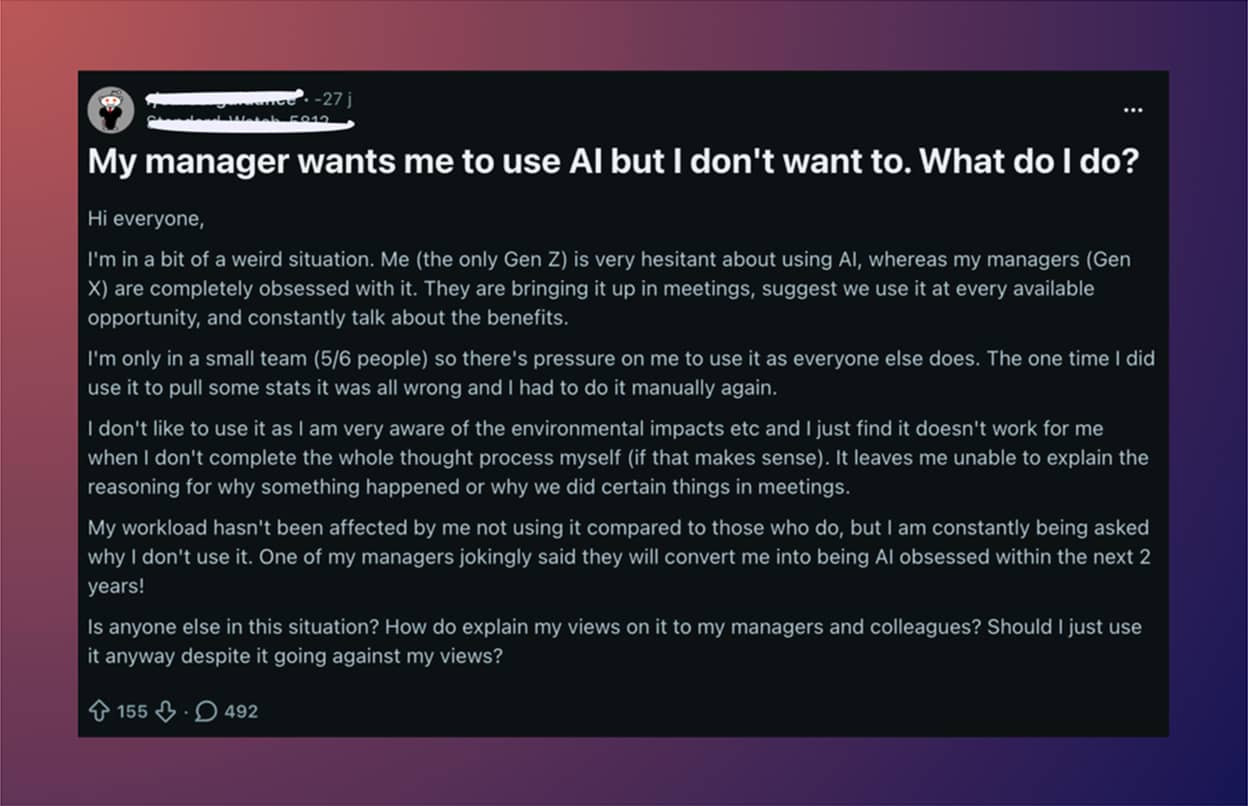
When Merriam-Webster named “slop” its 2025 Word of the Year, it was less a linguistic milestone and more a warning sign. AI-generated content has exploded, and much of it is hollow, repetitive, and instantly forgettable. Inbox noise. Corporate word salad. Polished nonsense.
For employers, this is not just annoying. It is a moment of choice. Use AI carelessly and add to the slop pile, or combine AI with real human judgment and create work people actually trust in 2026.
Why It Matters
AI slop does real damage to businesses, even when intentions are good.
- Brand erosion: Low-effort content signals you do not care enough to think. Customers, recruits, and employees notice.
- Productivity theater: Fast output looks impressive until revisions, clean-up, and clarification eat the time back.
- Cultural damage: When thinking is outsourced to a machine, creativity and judgment quietly erode.
- Legal exposure: Sloppy AI-generated policies or communications can misstate obligations and conflict with existing rules.
AI is powerful, but unmanaged AI quietly taxes reputation, culture, and risk.
Core Idea
AI is artificial intelligence, not artificial accountability. The moment humans stop owning the output is the moment quality collapses.
What AI Slop Looks Like at Work
By 2025, slop showed up everywhere. You have likely seen it already:
- Emails that sound official but say almost nothing
- Business content that is vague, repetitive, or confidently wrong
- Resumes and cover letters that mirror job postings a little too perfectly
- Performance reviews packed with jargon about “synergy” and “leveraging core competencies”
- Marketing copy that looks polished and disappears from memory instantly
If everything sounds smooth and interchangeable, it probably is.
How Employers Can Avoid AI Slop
A few practical guardrails make all the difference.
1. Define acceptable AI use, not just permitted AI use
Early AI policies focused on what tools were allowed. That is no longer enough. Employers need clarity on:
- Where AI can assist and where it should not be used
- Where human judgment must lead
- The expectation that all AI output is reviewed before use
2. Assign ownership for AI-assisted work
Every AI-generated document should have a named human owner. That person is accountable for accuracy, tone, and alignment with company values and policies.
3. Train managers to spot slop
Managers do not need to be AI experts. They do need to recognize red flags before content goes out the door:
- Generic language that could apply to any role or company
- Perfectly structured paragraphs with no real voice or specificity
- Overconfident statements about legal, technical, or operational issues
- Repeated buzzwords without concrete examples
- Conclusions that gesture at action without ownership or next steps
If it sounds impressive but says nothing, it needs another pass.
4. Slow down high-risk uses
Legal, HR, compliance, and external communications demand human review. AI can assist, but it cannot reliably navigate nuance without significant customization.
5. Measure outcomes, not output
Stop rewarding speed and volume alone. Start asking whether the communication solved the problem and reduced follow-up questions.
Closing Thought
AI is not the enemy. Thoughtless use is. The organizations that win in 2026 will not be the ones producing the most content, they will be the ones producing work that sounds human, responsible, and worth reading.
About
Fisher Phillips, founded in 1943, is a leading law firm dedicated to representing employers in labor and employment matters. With nearly 600 attorneys across 38 U.S. and 3 Mexico offices, it combines deep expertise with innovative solutions to help businesses navigate workplace challenges.

.jpg)
.svg)

.jpg)
.jpg)
.png)
