400,000+ business leaders (and teams at IBM, AWS & Zapier) start their day with The AI Report. 5 minutes. Plain English. No hype.
ChatGPT vs Claude vs Gemini: 2026 Comparison
A practical, no-hype breakdown of the three leading AI chatbots to help you figure out which one is actually worth your time.


By now, most people have tried at least one of the big three AI chatbots. A lot of people have tried all of them and still are not entirely sure which one to stick with, or whether to stick with just one at all.
That confusion is understandable. ChatGPT, Claude, and Gemini have all matured significantly in 2026 and on the surface they look very similar: all three are conversational AI assistants, all three cost $20 a month at the pro tier, and all three can write an email or summarize a document. The differences only become clear when you look at what each one does best.
This guide breaks that down by use case so you can make an informed decision rather than just defaulting to the one you heard about first.
A Quick Introduction to Each
ChatGPT is made by OpenAI and remains the most widely recognized AI assistant in the world. Plus subscribers get access to GPT-5.5, OpenAI's current flagship model. It is built to handle a wide range of tasks in a single interface: writing, coding, analysis, image generation, and more. It has the broadest ecosystem of third-party integrations and plugins of the three.
Claude is made by Anthropic. Claude Sonnet 4.6 is the default model on the Pro plan, with Claude Opus 4 available for more complex tasks. Its context window of 200,000 tokens is designed for work that involves large amounts of text at once.
Gemini is made by Google. The paid Pro tier gives access to the Gemini 2.5 Pro family, with higher tiers unlocking Gemini 3.1 Pro. Gemini has native Google Search integration, meaning it can pull real-time information from the web as part of how it processes a question. It is deeply embedded in Google Workspace, sitting directly inside Gmail, Docs, Sheets, and Meet.
How They Compare Where It Actually Matters
The AI Report's AI Tool Index has structured comparisons across 5,500+ tools, including all three. Explore the AI Tool Index for deeper breakdowns beyond what this article covers.
Writing and content quality. In a blind test conducted earlier this year, 134 participants rated outputs from all three tools across eight prompt types with the brand names removed. Claude won four of the eight rounds, with its largest margins in writing-focused categories. ChatGPT won one round, the structured business strategy prompt. Gemini placed consistently across categories without leading in any. What this means practically: if you are writing reports, marketing copy, long-form content, or anything where the quality of the prose matters, Claude has the strongest track record in head-to-head testing. Individual results will vary depending on how you prompt each tool.
Coding and technical work. Across developer surveys and published benchmark testing in 2026, Claude rates highest for complex coding tasks, specifically projects involving large codebases or multi-file work. In practice, this means Claude is the stronger choice when you are working on something bigger than a quick script, like refactoring a feature, reviewing a large codebase, or building out a longer piece of logic. ChatGPT's GPT-5.5 is the stronger option for execution-style tasks and benefits from better plugin support for developer tools. Gemini performs well on coding benchmarks but scores below the other two on complex software engineering tasks in most published evaluations.
Reasoning and complex problem solving. The results here are different from writing and coding, and worth knowing. Gemini 3.1 Pro leads on several advanced reasoning benchmarks in 2026, including graduate-level problem sets. GPT-5.5 also scores very high on structured analytical tasks. Claude scores well on reasoning but does not lead the published rankings in this category. For tasks like financial modeling, multi-step strategic analysis, or anything that requires working through a genuinely complex problem from scratch, Gemini and ChatGPT are the stronger starting points.
Research and real-time information. This one comes down to a structural difference, not a performance gap. Gemini has native Google Search built into how it answers questions, so when you ask about something current, it draws from live web results as part of its thinking. ChatGPT has web browsing available, but it works as a separate tool the model can choose to invoke. Claude does not have built-in real-time web access in its standard product. In practice: if your work involves recent news, current market data, or any information that changes frequently, Gemini is the right tool.
Long document processing. At the standard $20/month tier, Claude's 200,000-token context window is the largest of the three. To put that in practical terms, it can handle several hundred pages of text in a single session, which makes it well-suited for reviewing contracts, analyzing research reports, or working through lengthy internal documents without losing track of earlier content. Gemini's highest tier supports a much larger context window, but that requires a plan above the standard consumer subscription. ChatGPT's context window at Plus is smaller than both.
Integrations and ecosystem. ChatGPT has the largest third-party integration ecosystem of the three, with the broadest plugin store and the most widely adopted API. This matters if you want to connect your AI tool to other software you already use, such as project management tools, CRMs, or automation platforms. Gemini is embedded directly in Google Workspace, so if your team lives in Gmail, Docs, and Sheets, it is already there. Claude has strong team and enterprise offerings but a narrower range of third-party integrations than ChatGPT.
Pricing
All three cost $20 per month at the standard pro tier, so for most individuals the price is the same. Business plans vary: ChatGPT runs $25 per user per month, Gemini can be included in existing Google Workspace subscriptions, and Claude offers enterprise pricing on request. All three have free tiers with limits on usage and model access.
So Which One Should You Use?
In 2026, the pattern among heavy AI users is not picking one tool exclusively. Multiple surveys and usage reports show that many professionals route different task types to different tools rather than relying on a single platform.
That said, if you need a starting point:
Choose ChatGPT if you need a versatile general-purpose tool with the broadest range of integrations and plugin support.
Choose Claude if your work is writing-heavy, involves processing long documents, or requires coding assistance on complex or large-scale projects.
Choose Gemini if your team works primarily in Google Workspace, or if your work regularly depends on current, real-time information.
Want to go deeper? Explore The AI Report's AI Tool Index.
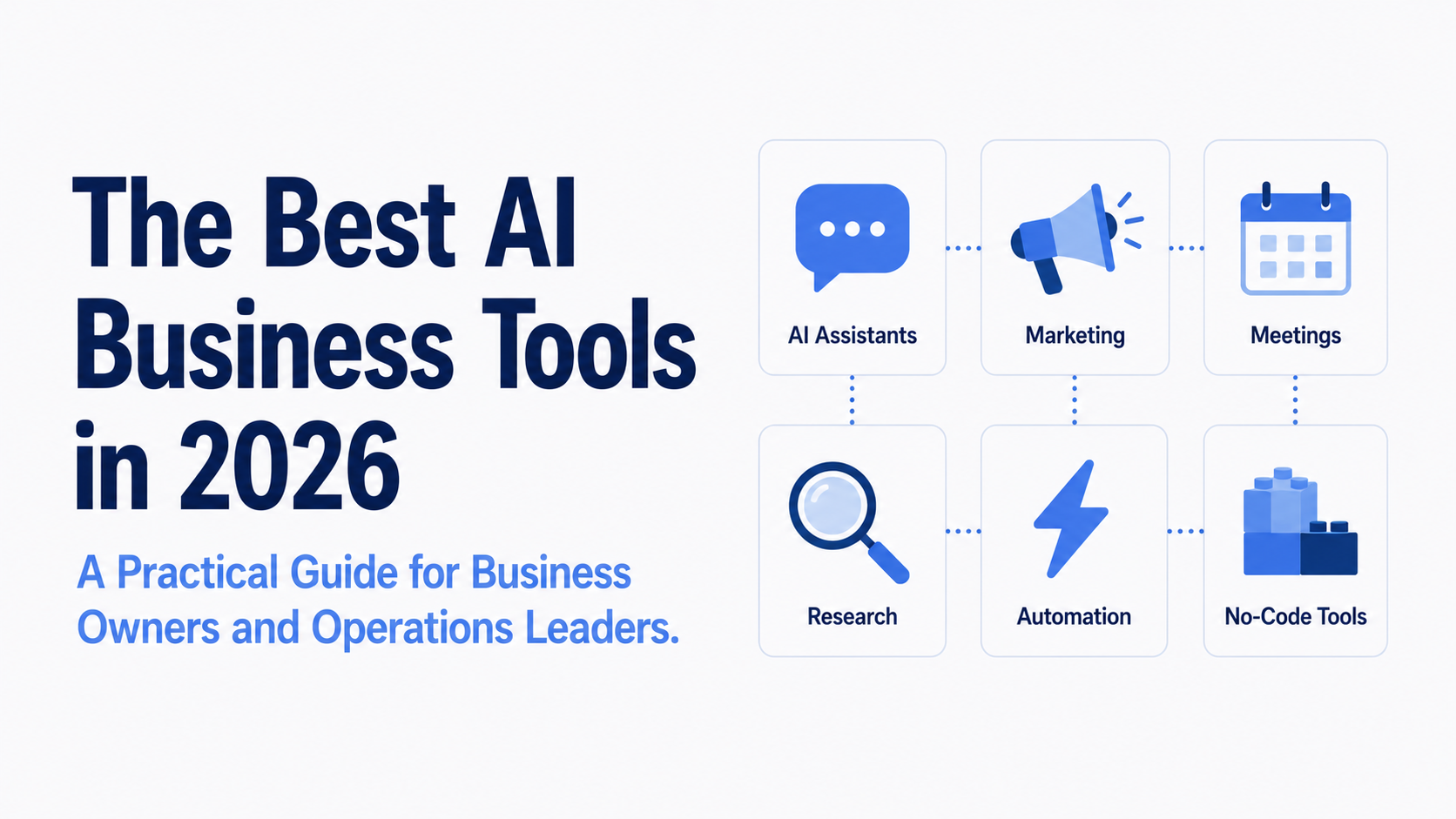
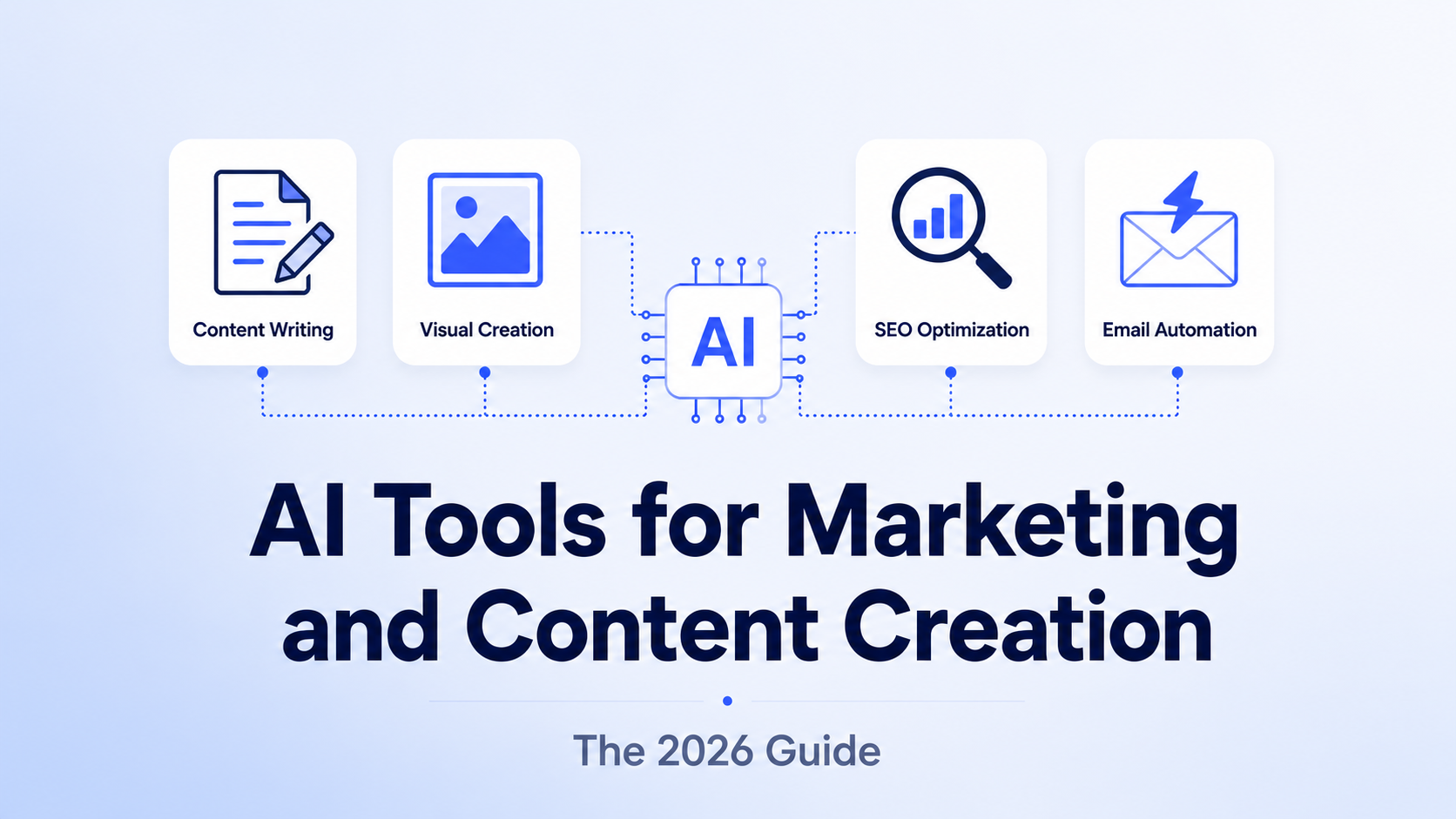
This article is part of our AI Tool Reviews and Tutorials content series. You might also find these useful: The Best AI Business Tools in 2026, AI Tools for Marketing and Content Creation, and Best No-Code App Builders in 2026.













.png)
.png)
.png)
.png)
.png)
.png)
.png)
.png)
.png)
.png)
.png)
.png)
.png)
.png)
.png)
.png)
.png)