400,000+ business leaders (and teams at IBM, AWS & Zapier) start their day with The AI Report. 5 minutes. Plain English. No hype.
Lovable AI Review: Hype or Legit?
An honest Lovable AI review for 2026. What it actually builds, where it excels, where it falls short, and whether it lives up to the hype.
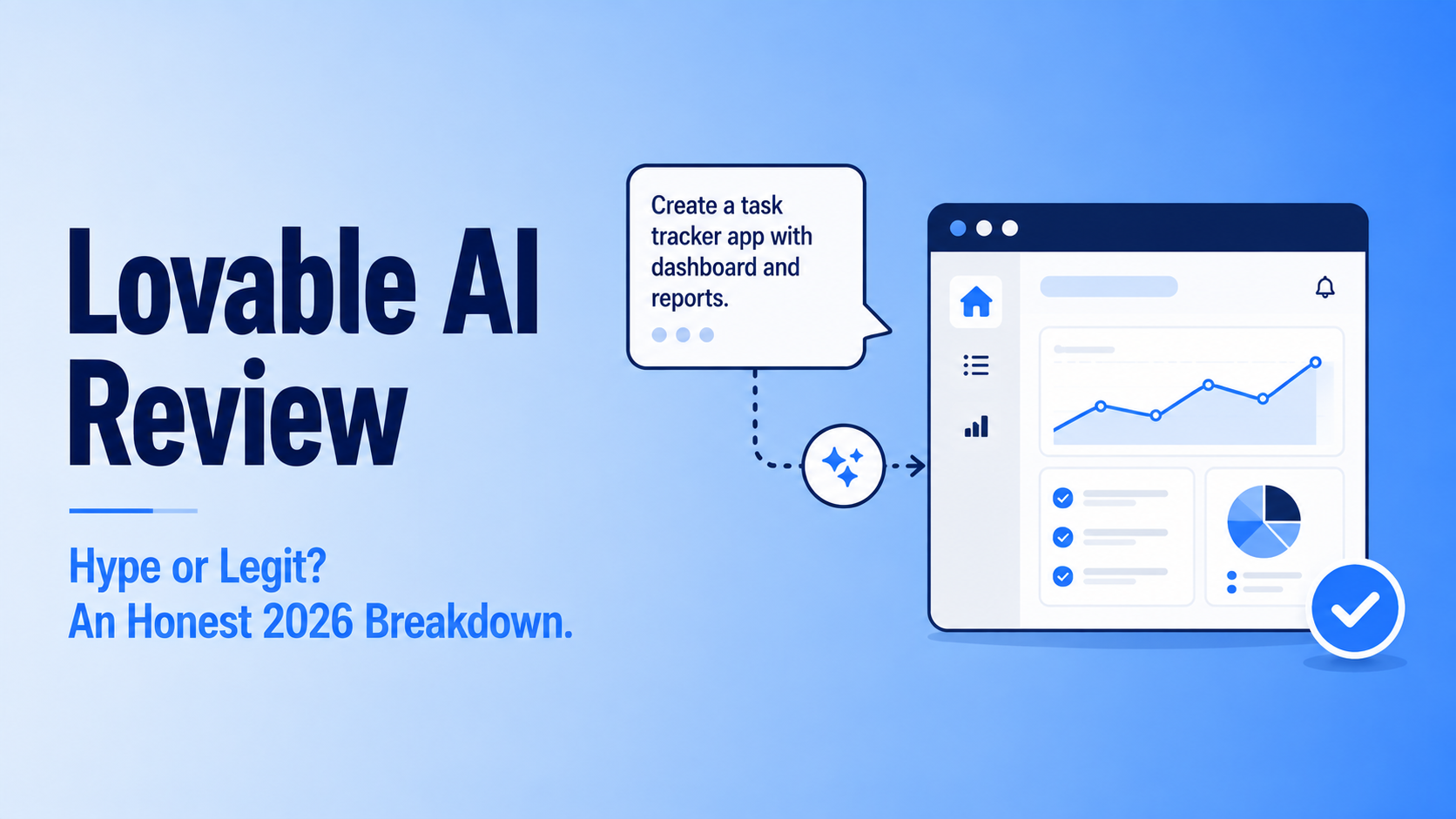

The pitch for Lovable is straightforward: describe the app you want in plain English, and watch it generate a working web application. For a non-technical founder, operations leader, or product manager, that is a compelling claim. The question worth asking before you commit is how much of it holds up in practice.
This Lovable AI review covers what the tool actually builds, the experience of using it, where it performs well, where it does not, and who it is genuinely the right tool for.
What Lovable Actually Builds
Lovable generates web applications using React for the interface, Tailwind CSS for styling, and Supabase for backend services including authentication and database functionality. That is real, deployable code, not a visual prototype or a mockup. The output can be published directly from Lovable or exported to GitHub so you can continue development independently or hand it to a developer.
The key word in that last sentence is web. Lovable builds web applications that work in a mobile browser, but it does not produce native iOS or Android apps. Getting a Lovable project onto the App Store or Google Play is possible but requires additional steps and tools outside the platform. If your use case requires a native mobile app, Lovable is not the right starting point.
How the Workflow Actually Runs
The workflow starts with a text description. You describe the app, its purpose, the features you want, and how it should behave. Lovable generates a working first version, typically within a few minutes. From there, you iterate through the same conversational interface: describe a change, see it applied, refine.
Across multiple documented user experiences, the jump from description to something clickable is faster than any comparable tool in this category. Going from a blank screen to a working interface with routing, layout, and basic backend logic can take under ten minutes. That speed is real and consistently reported. It absorbs the setup work that typically consumes the first day or two of any development project.
The cracks show up once logic gets specific. Users consistently report that Lovable handles layouts, forms, and standard database interactions well but struggles with non-trivial business logic. Specific features like complex permission structures, multi-step approval workflows, unusual data relationships, and precise financial calculations are where the AI tends to generate output that is incorrect or incomplete. Correcting these issues can consume credits quickly and sometimes requires editing the code directly.
What It Does Well
Speed from idea to prototype. For non-technical founders, internal tools, customer portals, and simple SaaS products, the time from idea to something you can click through and share is genuinely faster than any alternative that was available a few years ago. Lovable is consistently rated at the top of its category for accessibility to people without a coding background.
Code ownership. Unlike many no-code tools where you are fully locked into the platform, Lovable lets you sync your project to GitHub. This means the code is yours to keep, hand off, or continue building in another environment. The limitation is that you cannot import an existing project into Lovable: it builds new apps from scratch only.
Frontend polish. The visual quality of what Lovable generates is notably higher than what most non-technical users could produce manually. For customer-facing applications where appearance matters, this is a clear differentiator.
Where It Falls Short
Complex logic. The same pattern appears consistently across user reviews and community discussions: Lovable performs well on structure and standard functionality, but non-trivial business logic requires iteration and sometimes manual correction. For mission-critical applications with complex workflows, the AI's output needs careful human review.
The credit system. Every action on Lovable, generating code, requesting edits, debugging errors, consumes credits from your monthly allowance. On complex or iterative projects, credits deplete faster than the plan pricing suggests. Multiple users report that the real cost of building a non-trivial app runs two to three times higher than the headline subscription price.
Hidden cloud costs. Lovable's subscription covers the AI interactions, but running an app on Lovable's cloud infrastructure is billed separately based on usage. For simple apps with low traffic, this is negligible. For apps that start gaining real users, it adds a layer of billing that many new users do not anticipate.
Pricing
Lovable uses a credit-based model across four tiers. The free plan includes five daily credits with a thirty-credit monthly cap, which is enough to evaluate the product but not to build anything substantial. The Pro plan is $25 per month and includes one hundred monthly credits plus five daily credits. Business is $50 per month and adds SSO and a security dashboard. Enterprise is custom pricing.
As noted above, the subscription credits cover AI interactions. Hosting and cloud usage are billed separately on top of that.
Who It Is Built For
Lovable is the right tool for a non-technical founder building an MVP they want to show investors or early users. It is a strong fit for an operations leader who needs an internal tool built quickly without waiting for developer time. It works well for product managers who want a working prototype to test assumptions before committing to a full build.
It is not the right tool for complex production applications with advanced business logic, regulated data handling requirements, or native mobile functionality. It is also not a full replacement for a developer on any project that needs to scale beyond a prototype or handle edge cases precisely.
Across user reviews and practitioner discussions in 2026, Lovable is consistently described as an excellent starting line for many projects. A common workflow that has emerged is using Lovable for the first seventy to eighty percent of a build, exporting the code to GitHub, and finishing the remainder with a developer or more code-specific tools.
Verdict: Hype or Legit?
Legit, for its target use case. The claim that a non-technical person can describe an app and get something functional and shippable holds up for the kinds of apps Lovable is actually designed to build: straightforward web applications, internal tools, customer portals, and early-stage products where speed matters more than complexity.
The hype only becomes a problem when the tool is applied to use cases outside that range. Lovable is not a replacement for software development. It is a dramatically faster starting point for a specific category of projects, and within that category, it has earned its reputation.
For a full comparison of Lovable against other AI app builders in this category, explore The AI Report's AI Tool Index.
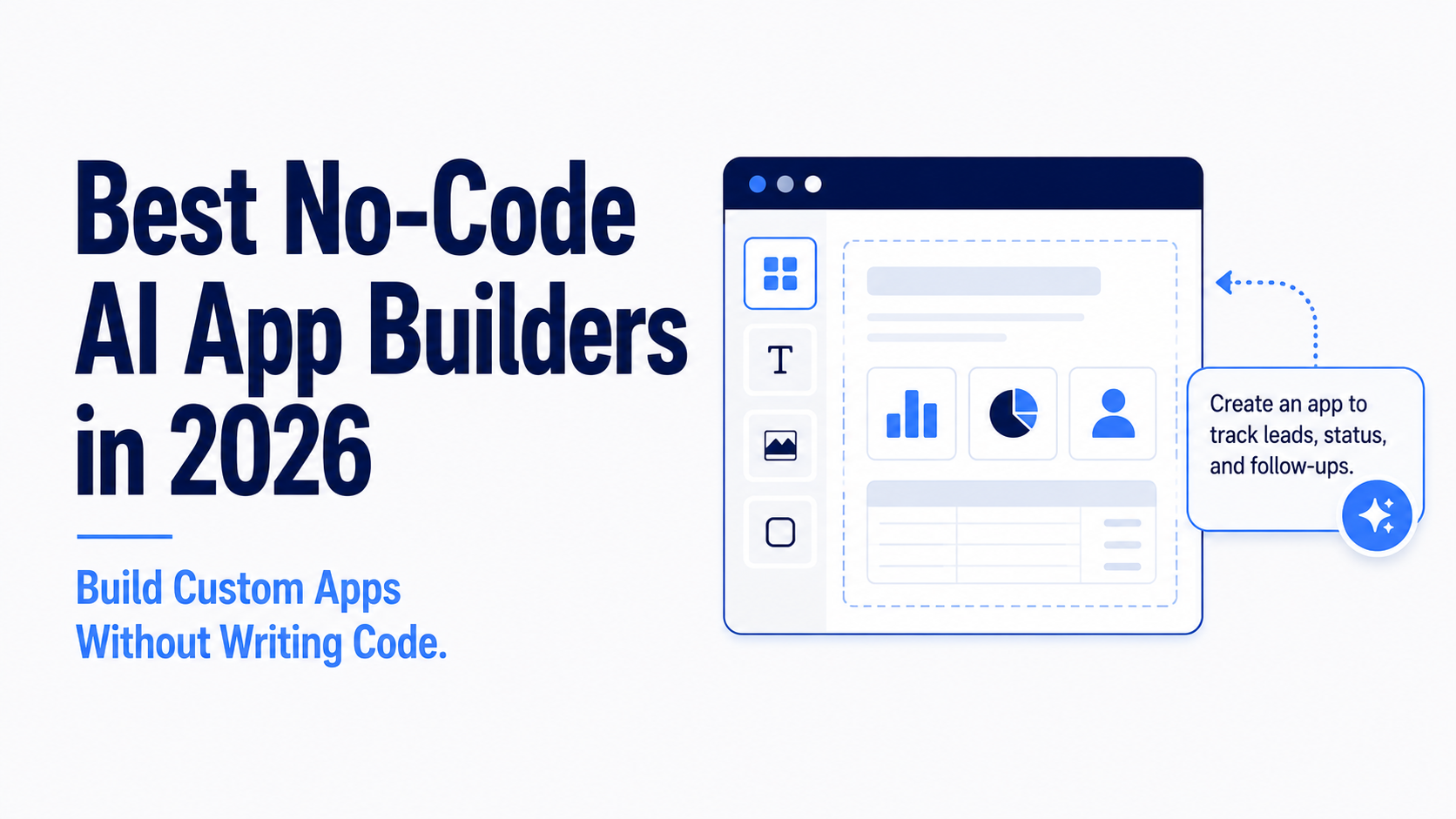
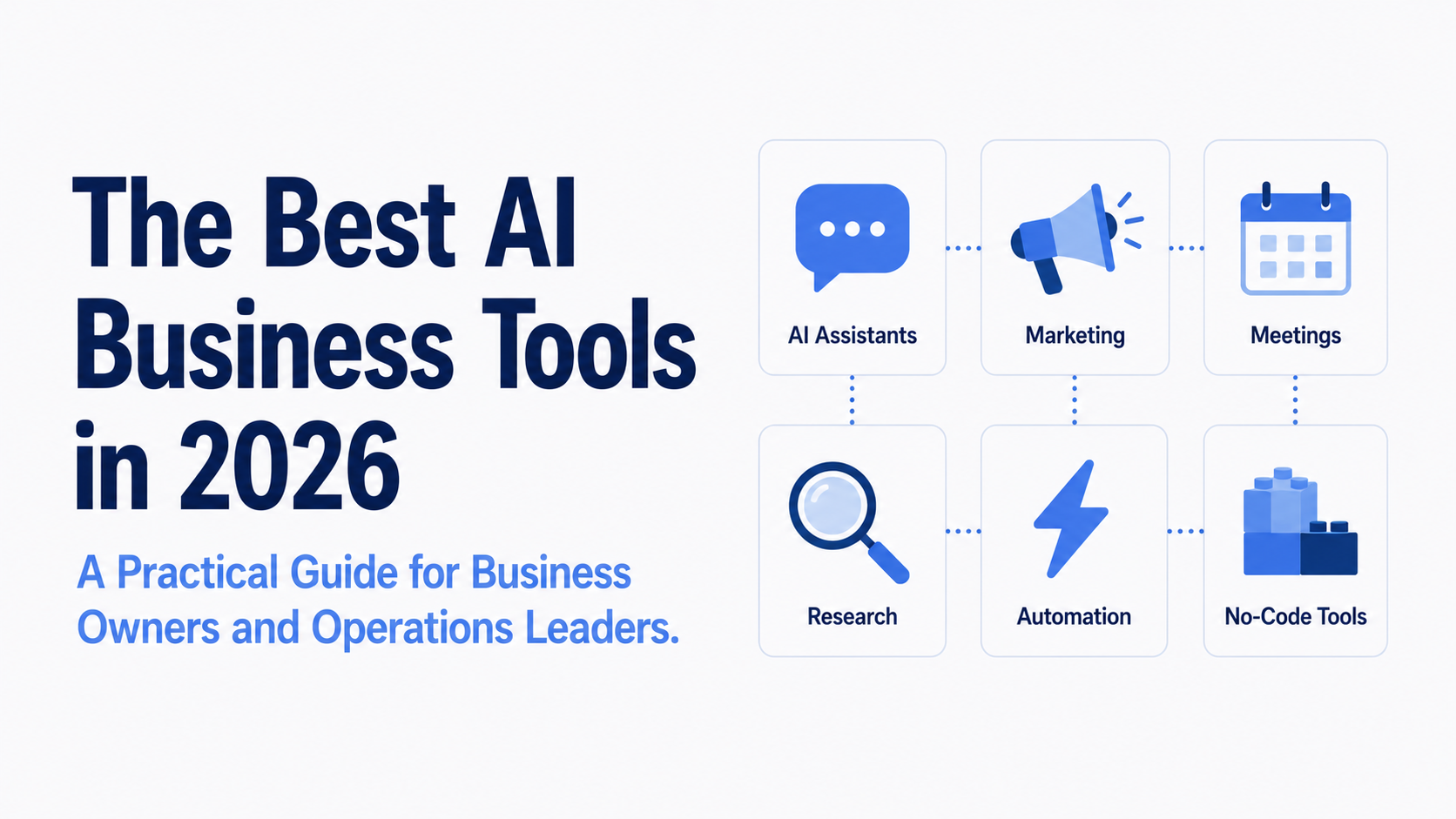
This article is part of our AI Tool Reviews and Tutorials content hub. You may also find this useful: Best No-Code AI App Builders in 2026 and The Best AI Business Tools in 2026.











.png)
.png)
.png)
.png)
.png)
.png)
.png)
.png)
.png)
.png)
.png)
.png)
.png)
.png)
.png)
.png)
.png)