400,000+ business leaders (and teams at IBM, AWS & Zapier) start their day with The AI Report. 5 minutes. Plain English. No hype.
Best No-Code AI App Builders in 2026
The best no-code AI app builders in 2026 for non-technical business leaders. A breakdown of Lovable, Zapier Interfaces, Replit, and more.
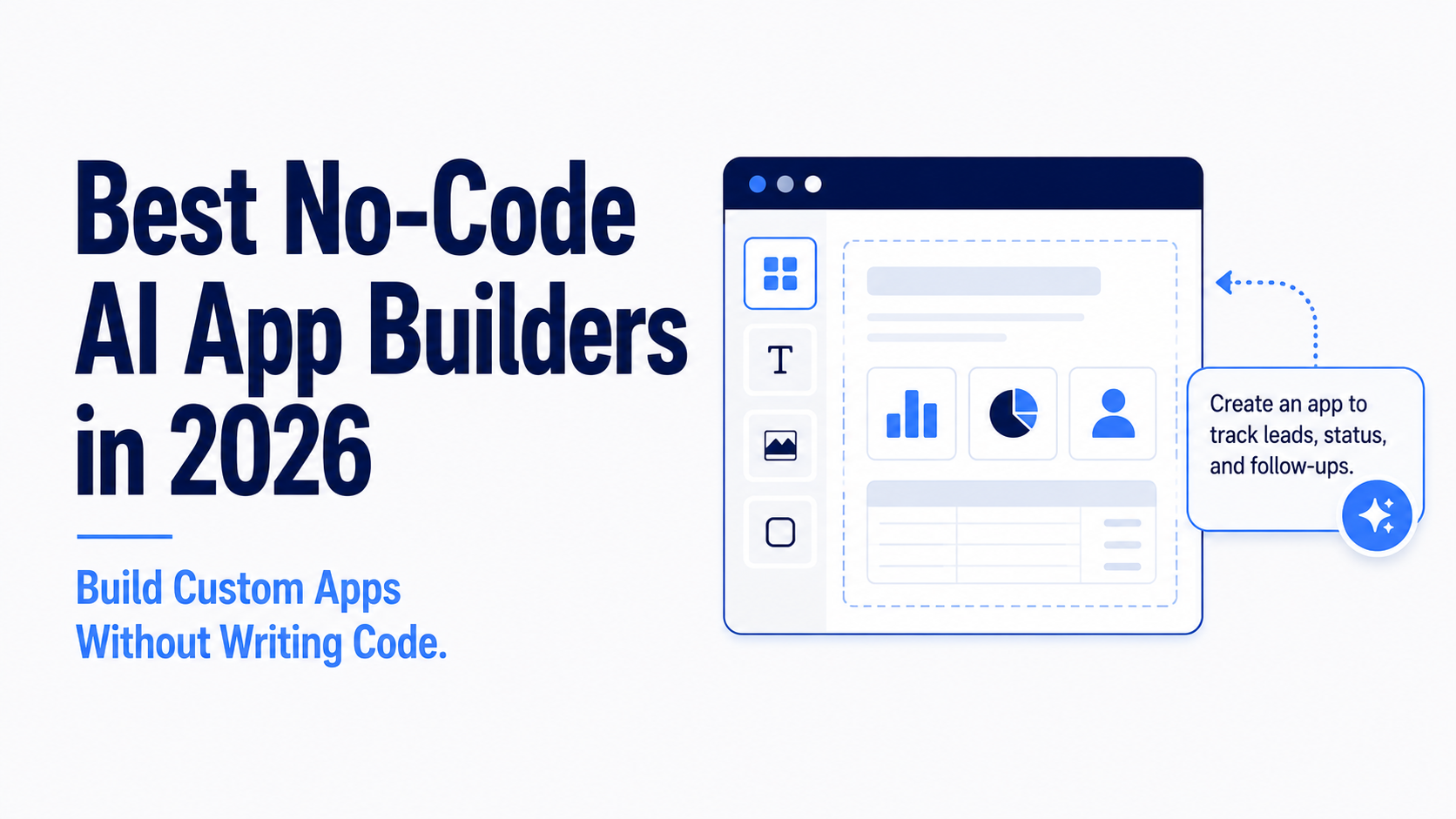

Building a custom internal tool used to mean hiring a developer, waiting weeks, and spending thousands of dollars. In 2026, a non-technical operations leader can describe what they need in plain language and have a working application running in hours. According to Gartner, the low-code and no-code development market will pass $44 billion in 2026, growing at around 19% per year.
The tools driving that growth fall into a few distinct categories. Some generate entire applications from a text description. Others let you build on top of existing data and workflows. Some are accessible to anyone, while others still require technical comfort to get real value from. This guide covers the main options and who each one is actually built for.
What No-Code AI App Builders Actually Do
No-code AI app builders let you create working software by describing what you want in plain language, rather than building it manually through drag-and-drop interfaces or writing code. You describe the app, the tool generates a working first version, and you refine and deploy from there. The gap between having an idea and having something functional to show has compressed from weeks to hours for most common use cases.
The most common things businesses build with these tools include internal employee portals, customer intake forms, project tracking dashboards, approval workflow tools, and simple client-facing applications. Anything that would previously have required custom development but follows a recognizable pattern is a strong candidate.
Lovable
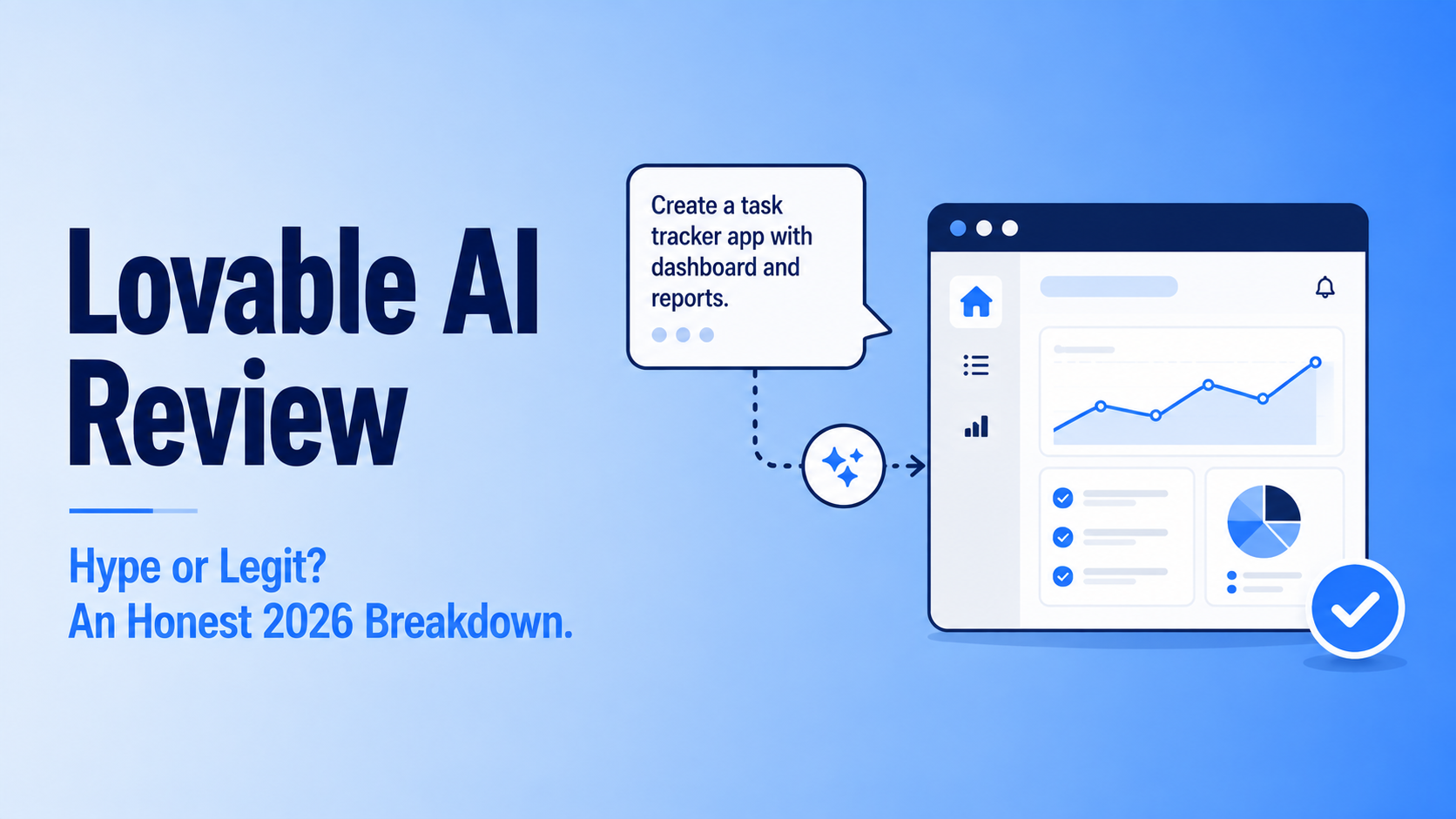
Lovable is the tool that has done the most to make app building accessible to people with no technical background. You describe the app you want in a conversational interface and watch it build in real time. The output is a React web application that can be deployed immediately or refined further through follow-up prompts.
What separates Lovable from earlier no-code tools is the gap between input and output. A clear description of an employee onboarding portal, a customer feedback tracker, or an internal knowledge base can produce something genuinely usable in a single session. It became one of the fastest-growing software products in history because that gap between describing something and having it exist is smaller than any previous tool has made it.
Lovable is best suited for customer-facing web applications, MVPs that need to look polished, and situations where speed of delivery matters more than deep customization. Pricing starts at $25 per month for the Pro plan and $50 per month for Business.
The limitation to know going in: Lovable generates web apps only, not native mobile applications. If your use case requires users to download something from the App Store or Google Play, a different tool is necessary.
Zapier Interfaces
For teams already using Zapier to automate workflows between applications, Zapier Interfaces is the most natural starting point for building internal tools. It lets you create custom dashboards, portals, and forms that connect directly to the automations you have already built, without needing a separate platform or technical setup.
Its main strength is integration depth. Because it sits inside the broader Zapier ecosystem, any tool you have already connected there can feed into or be triggered by an interface you build. A form submission can automatically create a record in your CRM, send a Slack notification, add a row to a spreadsheet, and kick off an approval workflow, all without additional configuration beyond what your existing automations already handle.
This makes it particularly well suited for internal operations tools: intake forms, approval flows, status dashboards, and team portals where the value comes from automating the steps that follow a submission rather than the interface itself. It is less suited for building consumer-facing products or anything that needs a polished, branded design.
Replit
Replit sits at the more technical end of the no-code spectrum. It is a browser-based development environment with AI built in that allows you to write, run, test, and deploy code entirely in the browser without any local setup. For non-technical users, the AI can generate significant portions of the application from a description, but some comfort with reviewing and adjusting code is needed to get the most out of it.
What Replit offers that tools like Lovable do not is code-level control. If your application needs custom backend logic, specific database architecture, or integrations that go beyond what a visual builder can handle, Replit gives you the flexibility to build it properly without setting up a local development environment. The free plan includes limited daily AI agent credits, and the Core plan runs $25 per month. One thing worth knowing before committing: Replit's billing is effort-based with no default spending cap, so complex projects can generate larger charges than the headline price suggests.
The practical trade-off to understand: Replit databases, hosting, and authentication are all Replit-specific. Building a complex application there creates a meaningful dependency on the platform, which makes migrating to another system later a significant undertaking.
Other Tools Worth Knowing
A few other platforms are worth knowing depending on your specific use case.
Bolt.new covers similar ground to Lovable and is a strong option for fast MVPs and prototype validation. Many teams use both interchangeably and choose based on which produces better results for a specific project.
Softr is the strongest option for building portals and dashboards on top of existing data, particularly for teams working out of Airtable or Google Sheets. It connects with Zapier, which makes it easy to weave into broader automation workflows.
Choosing the Right Tool
The right starting point depends on two things: what you are building and who will build it.
For a non-technical team member building an internal tool quickly, Lovable is the most accessible starting point. For a team already running on Zapier automations that needs a simple portal or form layer on top, Zapier Interfaces is the natural fit. For someone with some technical comfort who needs more control over the backend, Replit offers the most flexibility.
The AI Report's AI Tool Index has structured comparisons across 5,500+ tools including the full no-code and low-code category. Explore the AI Tool Index to compare pricing, features, and use cases in more detail.
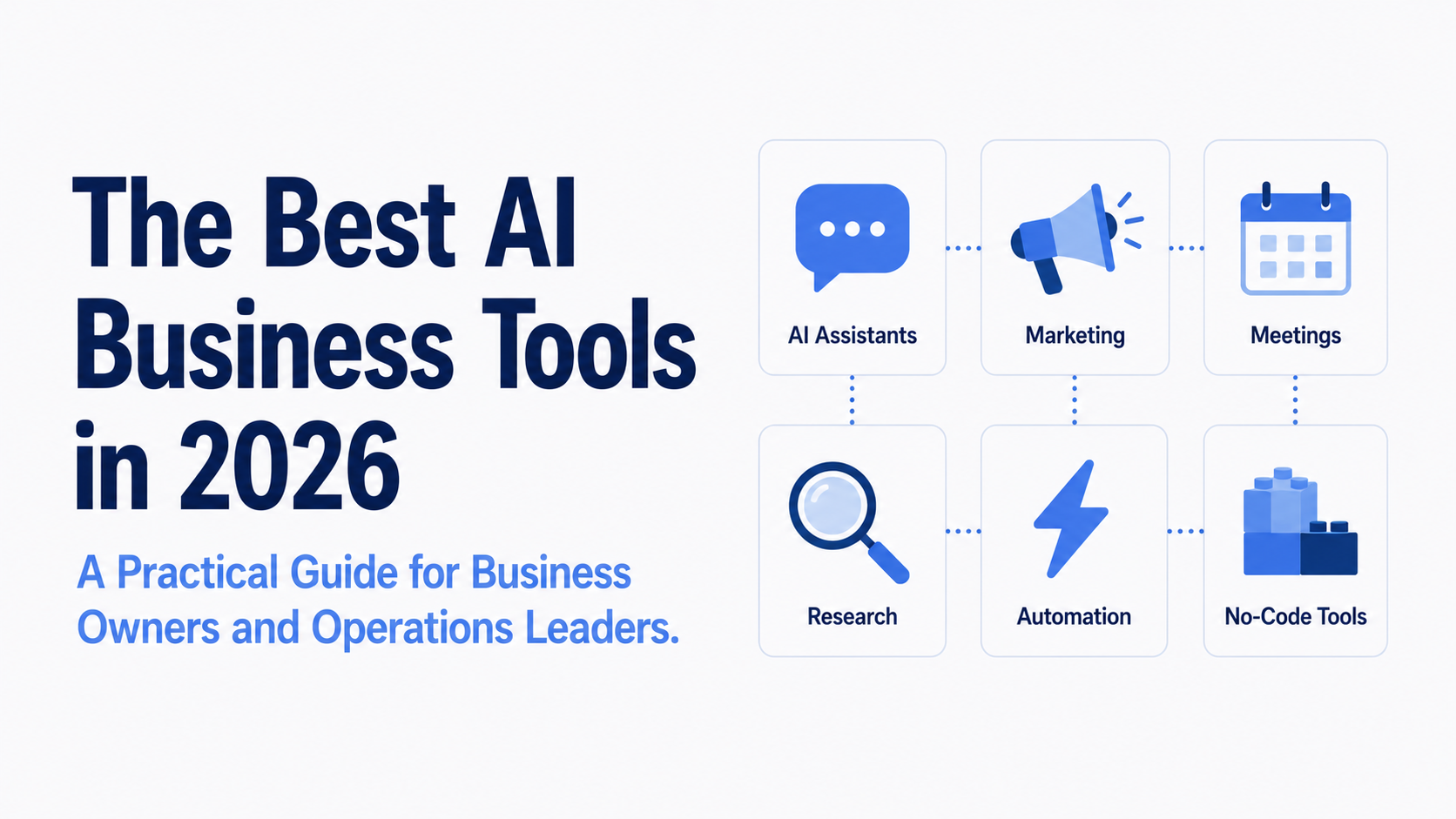
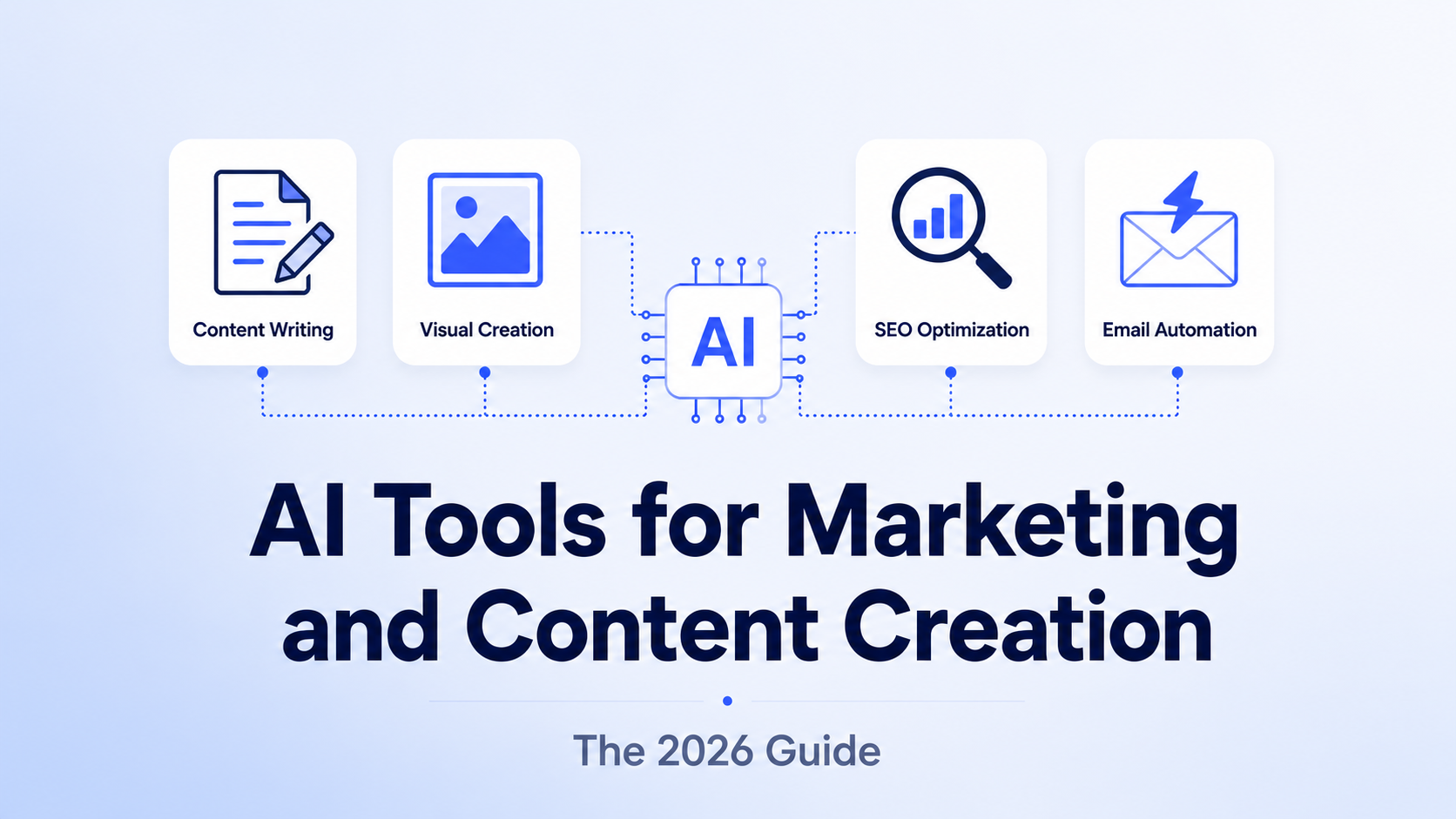
This article is part of our AI Tool Reviews and Tutorials content hub. You may also find these useful: The Best AI Business Tools in 2026, ChatGPT vs Claude vs Gemini: The Ultimate 2026 Comparison, and AI Tools for Marketing and Content Creation.















.png)
.png)
.png)
.png)
.png)
.png)
.png)
.png)
.png)
.png)
.png)
.png)
.png)
.png)
.png)
.png)
.png)