400,000+ business leaders (and teams at IBM, AWS & Zapier) start their day with The AI Report. 5 minutes. Plain English. No hype.
Healthcare AI and HIPAA Compliance in 2026
A guide to healthcare AI compliance, patient data risks, and compliant deployment paths for 2026.
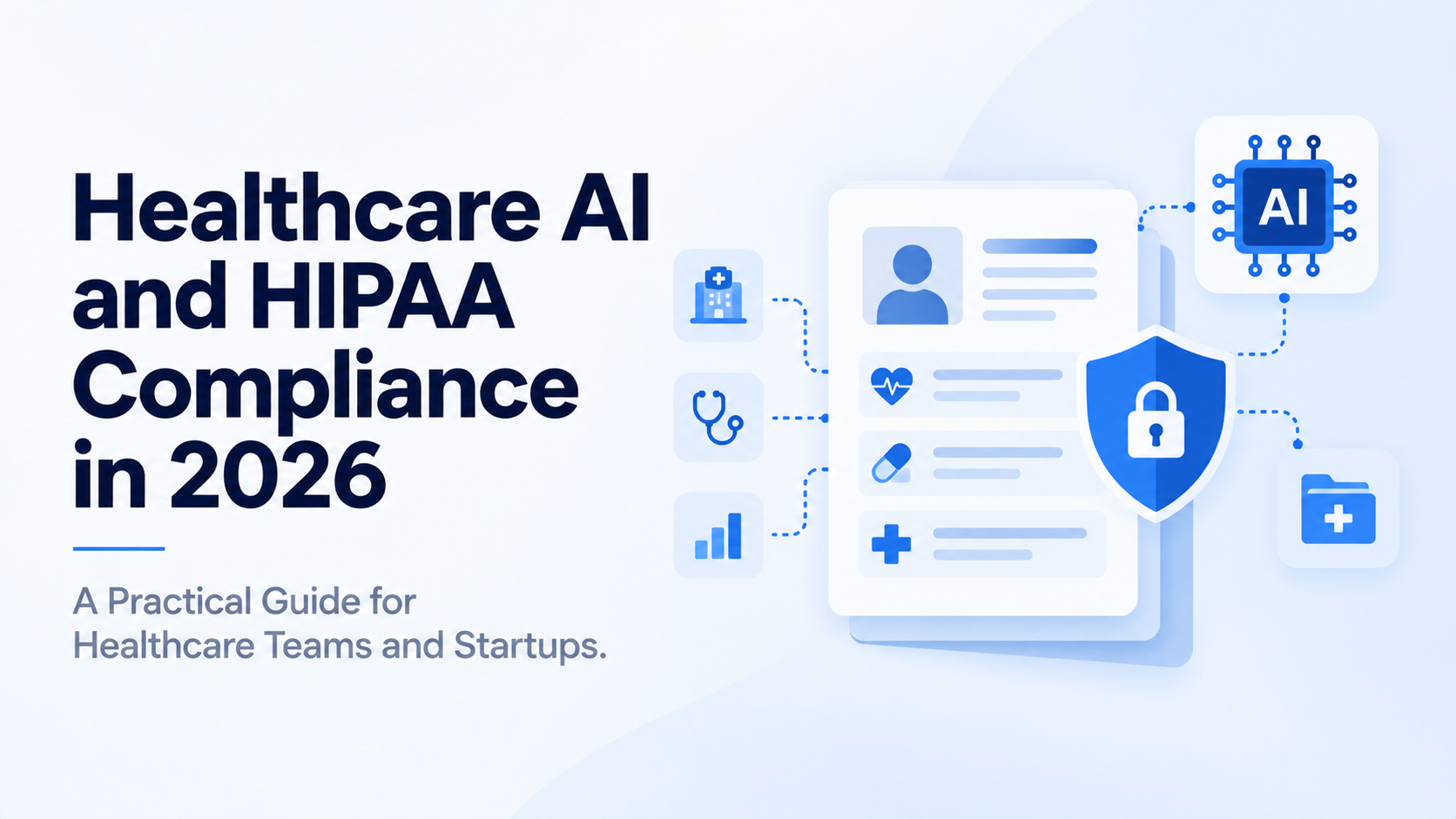

AI has made its way into virtually every part of healthcare, from clinical documentation and diagnostic support to administrative workflows and patient communication. The efficiency gains are real. So are the compliance risks, and for most healthcare organizations deploying AI in 2026, the gap between how they are using it and how they are required to use it is wider than they realize.
This guide covers what HIPAA actually requires when AI is in the picture, why most AI tools used in healthcare today fall short, and the three paths available to teams that need to get this right.
The Core Problem: Consumer AI Tools Are Not HIPAA Compliant
HIPAA requires that any vendor or tool that processes protected health information (PHI) on behalf of a covered entity must sign a Business Associate Agreement (BAA). A BAA is a legal contract that commits the vendor to safeguarding PHI, reporting breaches, and meeting specific security and privacy standards. Without one, using that tool to process any patient data is a HIPAA violation.
Consumer versions of ChatGPT, Claude, and Gemini do not offer BAAs. On free and standard consumer tiers, these platforms may use your conversations to train and improve their models. That means patient information entered into a consumer AI tool may be retained and used in ways that have nothing to do with your organization's intended purpose, with no legal agreement in place to protect it.
This is not a gray area. According to the HIPAA Journal's 2026 healthcare data breach report, breaches affected approximately 139.7 million people in the previous year. Many of those exposures involve third-party tools with insufficient safeguards. Fines for HIPAA violations can reach $2.1 million per violation category per year. The risk is financial and reputational, and it is one most healthcare organizations are not taking seriously enough.
The Shadow AI Problem
Not every HIPAA exposure is deliberate. Shadow AI happens when employees use AI tools their organization has not approved, usually because a better-sanctioned option is not available or fast enough for the task. It has quietly become one of the most common ways patient data ends up somewhere it should not.
Take a nurse who pastes clinical notes into ChatGPT to draft a discharge summary, or a therapist using an AI writing assistant to clean up session notes. Neither is doing anything wrong intentionally, and neither is using a HIPAA-compliant tool.
The only way to address shadow AI is to give teams an approved path that actually works for their workflows. A compliance policy that bans all AI without providing a practical alternative does not prevent shadow AI. It enables it.
Why De-identification Is Not Enough
A common workaround organizations attempt is de-identifying data before inputting it into an AI tool. The logic is that if names and identifiers are removed, the data is no longer PHI and HIPAA does not apply.
This approach has two problems in 2026. First, proper de-identification under HIPAA's Safe Harbor method requires removing eighteen specific identifiers. Most organizations doing this informally do not come close to that standard. Second, research has demonstrated that modern LLMs can reconstruct patient identity from contextual details such as age, condition, treatment history, and geography, without needing a name or ID number to do it. De-identification is not a substitute for a proper BAA and compliant deployment.
What Changed in January 2026
OpenAI launched ChatGPT for Healthcare in January 2026 as an enterprise-grade product designed specifically for clinical and regulated healthcare environments. Unlike consumer ChatGPT, OpenAI will sign BAAs with qualifying healthcare organizations using this product. PHI entered through the product is not used to train the model.
This is a meaningful development, but it comes with an important caveat: ChatGPT for Healthcare is not HIPAA compliant out of the box. It enables compliant use under proper organizational configuration and governance. The tool must be deployed correctly, access controls must be enforced, and audit logging must be in place. Having a BAA is necessary but not sufficient on its own.
Three Compliant Deployment Paths
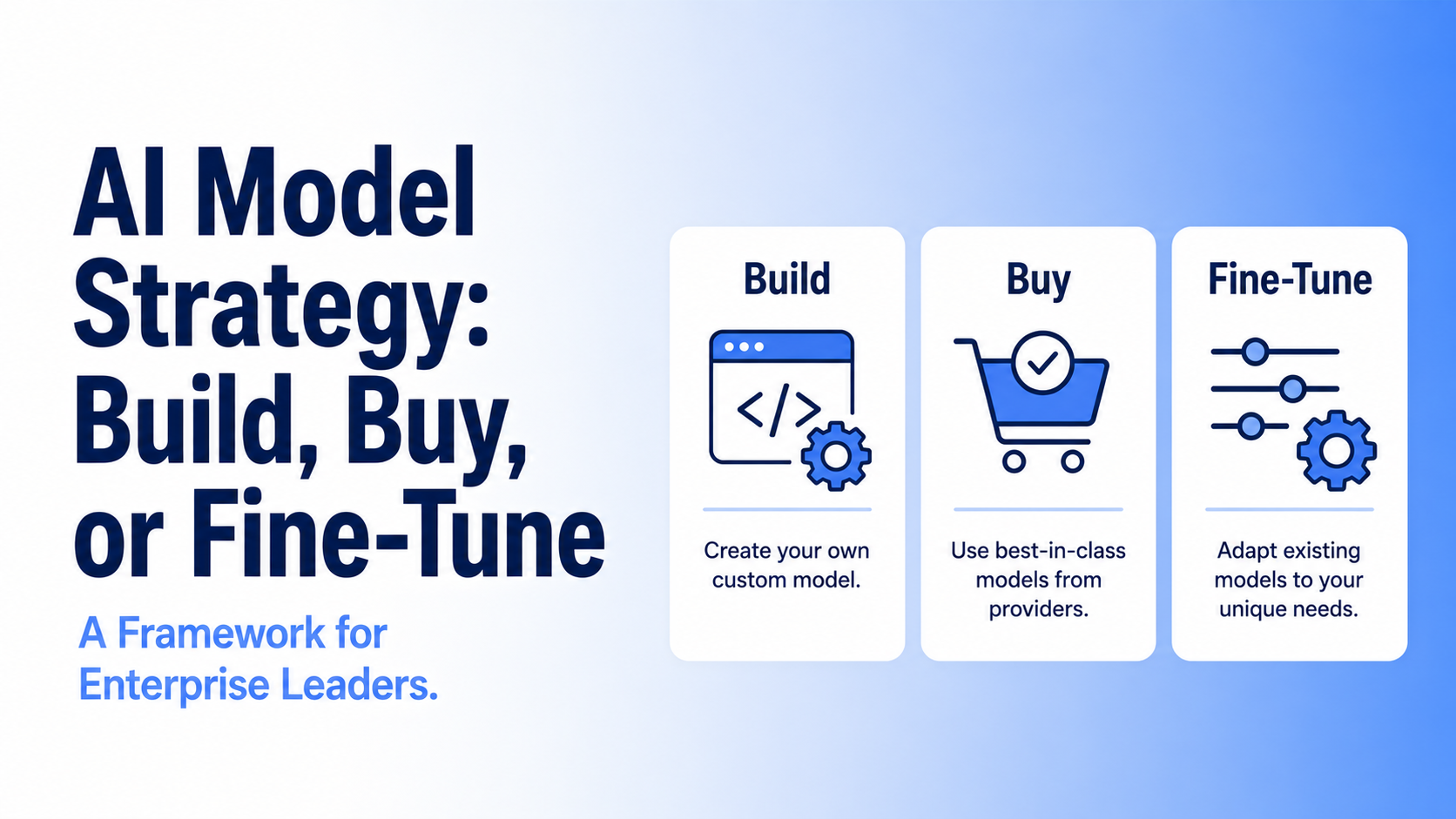
Healthcare organizations and health tech startups have three practical options for deploying AI in a HIPAA-compliant way.
Cloud-hosted enterprise platforms with BAAs. Amazon Bedrock, Azure OpenAI, and Google Cloud's covered Gemini services all sit on HIPAA-eligible infrastructure. If your organization already has a BAA with AWS, Microsoft, or Google, running AI models through those covered services may be the cleanest path. The AI runs inside your existing cloud environment, your existing BAA applies, and you retain control over access and logging.
Healthcare-specific AI vendors. A growing category of AI tools, including ambient documentation platforms like Ambience and Nabla, are built specifically for healthcare and come with BAAs included. According to a 2026 American Medical Association study, ambient AI scribes reduce documentation time by up to 50%, saving physicians an average of 2.5 hours daily. These tools handle the compliance infrastructure so clinical teams do not have to.
Self-hosted open-source models. For organizations with strict data residency requirements or that cannot accept any external model provider in the data chain, running an open-source model on their own infrastructure is the highest-control option. There is no model provider involved and no data leaves the organization's environment. The trade-off is that this requires meaningful technical expertise to implement and maintain.
What Healthcare Startups Need to Get Right
For health tech startups specifically, the compliance questions come earlier than most founders expect. Before you process a single piece of patient data, you need a BAA in place with every vendor in your data pipeline that touches patient data, not just the primary AI provider. A BAA is only as strong as the weakest link in the chain.
Audit logging is non-negotiable. If you cannot produce records showing who accessed what data and when, you cannot demonstrate compliance in the event of an investigation or audit. Building logging in from the start is significantly easier than retrofitting it later.
Access controls need to follow what HIPAA calls the minimum necessary standard: employees and systems should only have access to the patient data required for their specific function, not to all records because it is technically convenient.
And regardless of which deployment path you choose, your team needs to be trained on what can and cannot go into an AI tool. Written policies and employee training are required under HIPAA, not optional.
This article is part of our AI Policy and Safety content hub. You may also find this useful: Is ChatGPT Safe for Corporate Data? and How to Write a Corporate AI Policy.
The AI Report's Leaders Launch program gives business leaders access to a curated library of AI implementation resources and guides to help navigate decisions like these.


.png)
.png)
.png)
.png)
.png)
.png)
.png)
.png)
.png)
.png)
.png)
.png)
.png)
.png)
.png)
.png)
.png)